🌍 Hormuz Strait Reopens: Impact on Global Trade & Indian Businesses | Pinacle Web India
Published by Pinacle Web India
The reopening of the Strait of Hormuz has become one of the most important global developments for businesses in 2026. This critical oil transit route plays a major role in shaping fuel prices, logistics costs, and overall economic stability.
In this blog, we break down what this means for global trade, Indian businesses, and smart business strategies you should adopt right now.
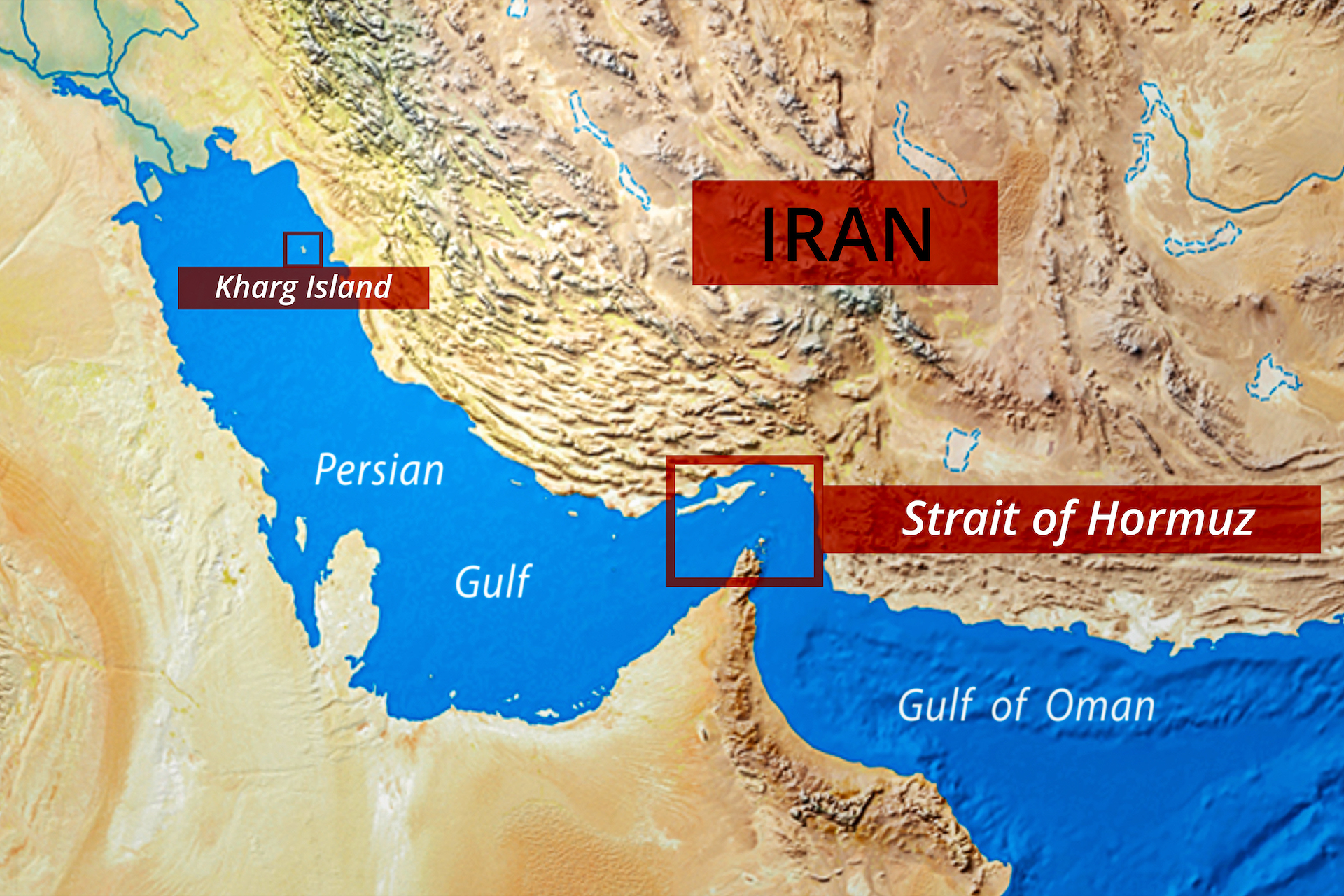
📌 What is the Strait of Hormuz?
The Strait of Hormuz is a narrow yet highly strategic sea passage connecting oil-rich countries like Saudi Arabia, United Arab Emirates, and Kuwait to global markets.
👉 Nearly 20% of the world’s oil supply passes through this route.
This makes it one of the most important chokepoints in the global economy.
📊 Why Businesses Should Care
1. Fuel Price Stability ⛽
With the Strait reopening:
- Crude oil supply becomes stable
- Petrol & diesel price pressure may reduce
- Transportation costs become predictable
✔ This directly benefits logistics, delivery, and service-based businesses.
2. Impact on Import & Export 📦
Businesses dealing with international trade will see:
- Lower shipping costs
- Reduced delays
- Improved supply chain efficiency
✔ Especially important for Indian importers sourcing goods from Asia and the Middle East.
3. Stock Market & Industry Impact 📈
Sectors that react quickly to oil price movements include:
- Oil & Gas
- Aviation
- Paint & Chemicals
- Manufacturing
A stable Hormuz route improves investor confidence and reduces volatility.
🇮🇳 Impact on Indian Market
India heavily depends on crude oil imports. Stability in the Strait of Hormuz leads to:
- Controlled fuel prices
- Lower business operating costs
- Positive stock market sentiment
For MSMEs and startups:
- ✔ Better profit margins
- ✔ Stable pricing strategy
- ✔ Improved financial planning
⚠️ Risk Factors to Watch
Even though the situation is stable now, risks remain:
- Geopolitical tensions involving Iran
- Sudden supply disruptions
- Oil price volatility
👉 Businesses must stay alert and avoid aggressive decisions based on short-term trends.
💡 Smart Business Strategy by Pinacle Web India
At Pinacle Web India, we recommend:
- ✔ Track fuel and logistics costs weekly
- ✔ Avoid overstocking at high prices
- ✔ Maintain flexible pricing models
- ✔ Strengthen digital presence to attract consistent leads
🚀 Why Digital Strategy Matters Now
In times of global uncertainty, businesses that invest in SEO and digital marketing gain a competitive edge.
With the right strategy:
- You can generate consistent leads
- Reduce dependency on market fluctuations
- Build long-term brand authority
👉 This is where Pinacle Web India helps businesses rank higher on Google, ChatGPT, and AI-driven search platforms.
🧠 Conclusion
The reopening of the Strait of Hormuz is a positive sign for global stability, but smart businesses go beyond reacting — they prepare and adapt.
💬 Final Takeaway:
“Global stability creates opportunity, but digital visibility turns it into profit.”
FAQs
Q1. How does the Strait of Hormuz affect businesses?
It controls global oil supply, impacting fuel costs, logistics, and overall business expenses.
Q2. Why is the reopening important for India?
India imports oil, so stable supply reduces fuel price pressure and improves business margins.
Q3. Which sectors benefit the most?
Logistics, aviation, manufacturing, and oil-related industries.
Q4. How can businesses prepare for such global changes?
By optimizing costs, staying flexible, and investing in digital marketing strategies.